Featured Image Reading K-2 How You Get There

Early Reading Foundations: Understanding How Children Learn To Read

January 13, 2026

 When you read this topic, you’ll find out you’re already doing some things to help your child read. And you’ll get a peek into the bigger picture.

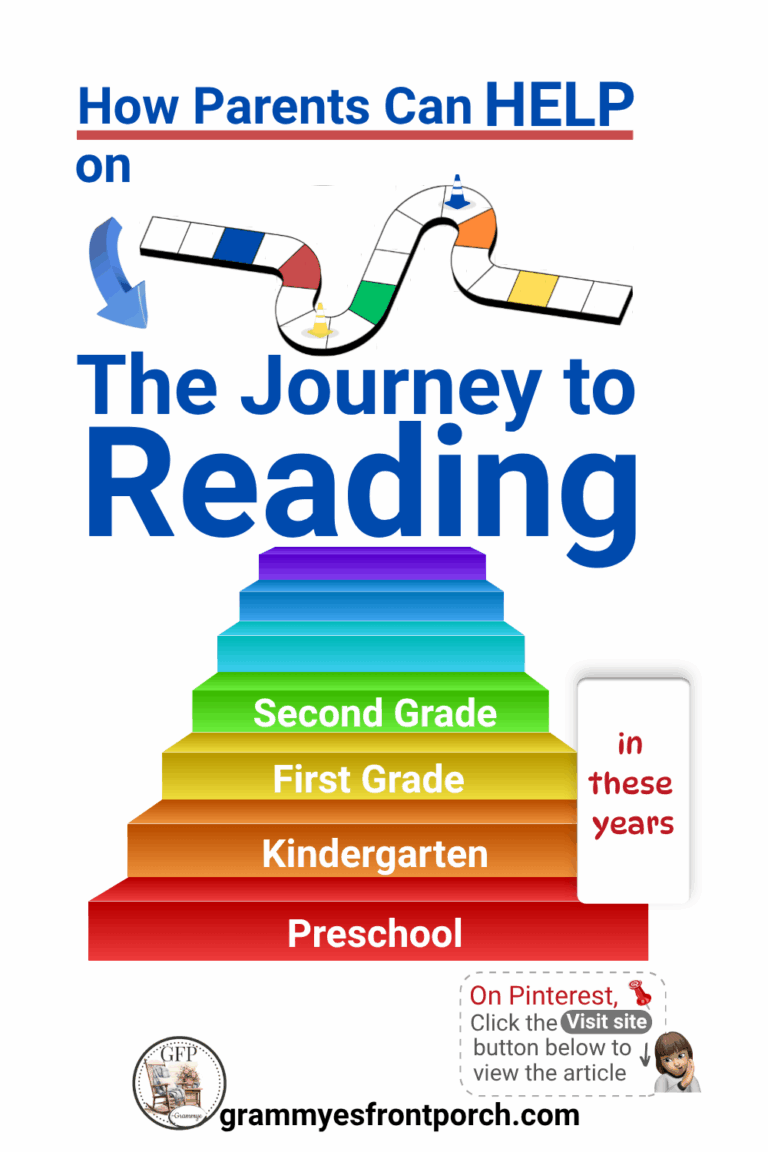
Pinterest Reading Awareness How Parents Can Help
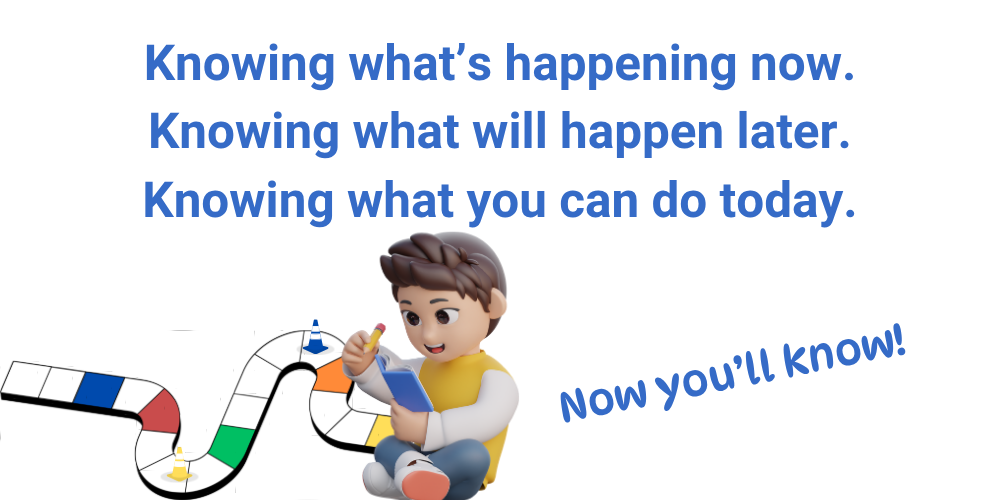
Pinterest Read KNOWING Now you'll know

Hang on:  I want to say this gently before we go any further: the purpose of this series is not to criticize teachers, schools, or families, nor is it to suggest that parents should take on the role of classroom instructor. Reading education is a complex field, and thoughtful educators do not all agree on every method or approach.

My hope is simply to help parents understand how reading skills develop over time — and why that understanding is becoming increasingly helpful as schools place closer attention on reading milestones and progress. With a clearer picture of what children are learning and when, parents can partner with their child’s school with confidence, recognize growth without panic, and support their children in small, meaningful ways at home — without pressure, fear, or guilt.

At its heart, this series is meant to bring parents, teachers, and children onto the same page, working together toward confident, capable readers.

Understanding How Children Learn to Read

Before a child ever reads a full sentence, crucial building blocks are being laid. These early skills — often called reading foundations — determine how easily and confidently a child will learn to read in kindergarten through second grade.

When parents understand what these foundations are, they can better support their child at home and recognize what matters most in the early years.

This guide breaks down the essential components of early reading and explains how they work together to help your child become a strong, successful reader.

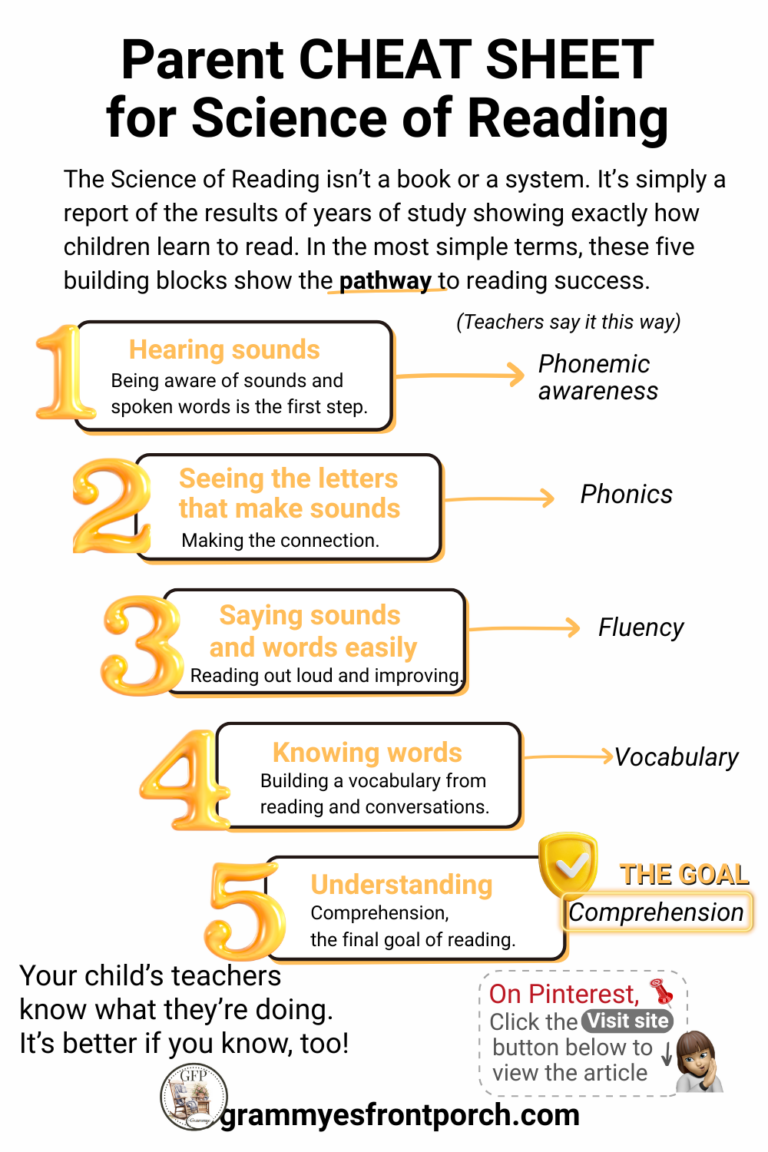
Numbered 1-5, these are the pillars of early reading education.

“Pillars” is not a word we use regularly, but let’s just let it hang out with us.

Understanding how children learn to read, from infancy!

In Plain Language…

Amazingly, parents are progressing through these steps long before the teachers arrive. 

Everything your baby hears — everything — is the foundation for reading. Every sound, every object that has a name, every word that soothes. It’s actually the first pillar: sounds.

Next, everything they see begins to connect to what they have heard. All this happens right in front of you!

By the way: I did not connect these. Babies hearing sounds and learning to read. Someone had to show me.  I have spent the last few weeks learning, and I’ve got great explanations for you.

Hang in with me; There is some “educator language” here, but don’t be intimidated. It’s fully explained.

The 5 Important Things

There are 5 important areas of instruction when it comes to reading. Today’s post is to explain those 5 things.

Why am I telling you? Because you’re gonna hear it. And when you do, you’ll understand it.

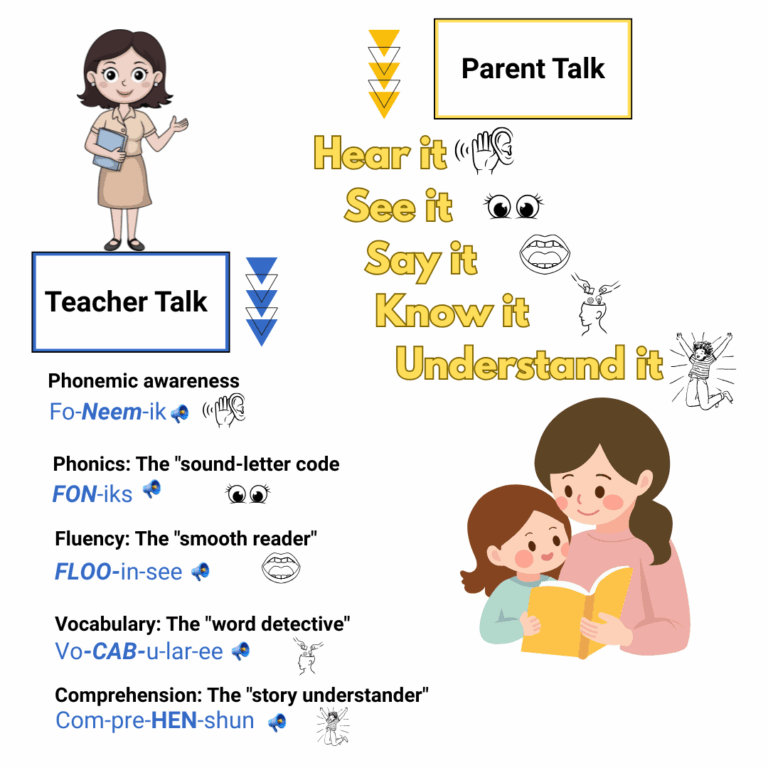
I’ll show you a graphic that gives you the “teacher talk” and also the “parent talk” you and I would use. They are the same five things, expressed differently.

(Don’t let the “educator talk” discourage you — My aim today is to give you the explanation that makes sense in your own house!)

Let me show you the comparison first, then I’ll explain each one.

Whether you like them in parent talk or teacher talk, there are 5 of these critical areas (which means vital/necessary), sometimes called “pillars” because together these are the recognized building blocks of learning to read.
Pinterest Reading Secrets 5 pillars in parent talk

Here we go. The first one…

1. Phonological & Phonemic Awareness: Hearing the Sounds of Language

Parent Language:  HEAR IT.

Reading begins with listening. Words we say to our babies.
Children must hear the structure of words before they can read them.

Phonological awareness includes:

  • Rhyming

  • Syllables

  • Word parts

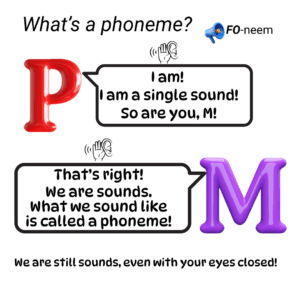
Phonemic awareness focuses on:

  • Hearing individual sounds (phonemes)

  • Blending sounds

  • Segmenting sounds

These are listening skills — no letters required. These skills progress from simply hearing to responding, and to imitating. And eventually to connecting them to written words.
A child who can break apart /c/ /a/ /t/ is ready to map those sounds to print later.

Parent Tip:

Enjoy rhymes and rhythms. Giggle over tongue twisters.

Later…

Play sound games in the car or at bedtime:
“What sound do you hear at the beginning of sun?”
“Can you blend these sounds: /m/ /a/ /p/?”

Pinterest Reading Secrets 5 pillars in parent talk
Pinterest Reading Secrets Phonemes

Now that you’ve got the first one (hearing and recognizing sounds) we move on to the next logical step…

2. Phonics: Connecting Sounds to Letters

Parent Language:  SEE IT.

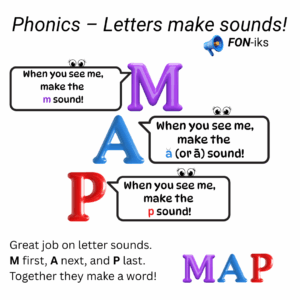
Once children hear sounds in spoken words, they learn to connect those sounds to letters and letter patterns.
This is phonics — the heart of early reading instruction.

A strong phonics foundation includes:

  • Letter–sound relationships

  • Decoding simple words

  • Reading words with common patterns (cat, ship, jump)

  • Learning high-frequency words that don’t follow regular patterns

“Decoding” is simply the act of seeing a word and being able to remember the sounds that each letter makes. It really is like reading a code.

When a child knows how to decode, reading becomes a process of applying rules rather than guessing.

😂 Parents don’t even say “decode” in real life, right? But that’s exactly what children are doing: beginning to understand the “code” — the sounds each letter represents. 

Parent Tip:

Read easy books to your child, pointing to the word, slowing down, and showing how you “decode” the words by sounding out the letters.

Later, when your child wants to do the reading, encourage your child to “sound it out” instead of stating the word for them.
Give prompts like:
“Let’s look at the first sound together.”

Pinterest Reading Secrets 5 pillars in parent talk
Pinterest Reading Secrets Phonics M-A-P

The first 2 building blocks are easy — hearing sounds, and then connecting letters to the sounds.

After that, it starts to get fun — being able to read out loud — reading the words as complete sentences, questions, and excited remarks. That’s the 3rd “pillar.”

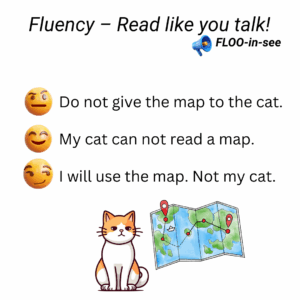
3. Fluency: Reading with Accuracy and Confidence

Parent Language:  SAY IT.

Fluency means your child can:

  • Read accurately

  • Read at a reasonable pace

  • Read with expression

Fluency is built through practice — lots of it.

Children develop fluency when they:

  • Reread familiar books

  • Practice decoding consistently

  • Hear adults read aloud

Fluent reading frees the brain to focus on comprehension, not sound-by-sound decoding. It’s exciting, moving from decoding to actually telling a story by reading it

Parent tip: 

This one is easy — read short stories with expression. No need to go fast, just enjoy the story by showing the feelings with your voice. Change your expression, and keep it fun.

Pinterest Reading Secrets 5 pillars in parent talk

Next: Building their “word library.” It’s a thing.

Here’s the amazing truth:  Your child is learning new words every day. Just from hearing you talk or read. It’s a momentum that simply happens as you keep reading, and keep your child reading.

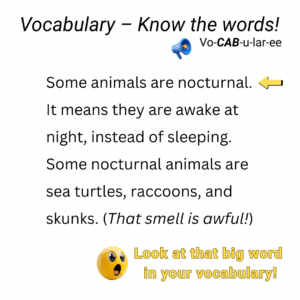
4. Vocabulary: Knowing the Words They Read

Parent Language:  KNOW IT.

Children need to understand the words they decode.
Vocabulary is built through:

  • Conversations

  • Being read to

  • Exposure to new places and ideas

  • Rich language experiences

A strong vocabulary helps children interpret the meaning of everything they read — stories, instructions, and informational text.

Parent Tip:
Use “big” words in everyday conversation. Kids learn more from context than we realize!

Pinterest Reading Secrets 5 pillars in parent talk
Pinterest Reading Secrets Vocabulary (1)

Understanding the meaning of words leads to the next step: Understanding and remembering the message.

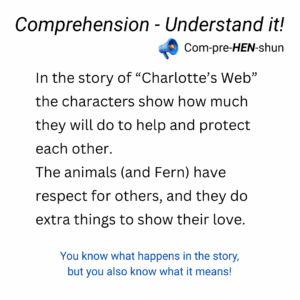
5. Comprehension: Making Meaning from Text

Parent Language:  UNDERSTAND IT.

Ultimately, the purpose of reading is understanding.
Comprehension grows from:

  • Asking questions

  • Predicting what might happen next

  • Making connections

  • Talking about stories

Even before a child reads independently, you can strengthen comprehension through thoughtful conversations during read-aloud time.

Parent Tip:  

Read the instructions for a new game out loud with your child. As you read, try to follow the instructions.  Identify the game pieces, set them up. This is a great demonstration of comprehension — the meaning/learning we get from reading.

Pinterest Reading Secrets 5 pillars in parent talk
Pinterest Reading Secrets Comprehension

How These Foundations Work Together

These components are not isolated steps — they build on one another:

Listening → Sound Awareness → Phonics → Practice → Fluency → Comprehension

Comprehension is the ultimate goal — It’s the thing we tend to take for granted as adults. 

And the way to get to that ultimate goal is to pay attention to learning the skills from the beginning.

A struggle in one area often reveals itself in another.
For example:

  • Weak phonemic awareness makes phonics harder.

  • Limited phonics affects fluency.

  • Slow or inaccurate reading impacts comprehension.

Understanding the structure helps parents know where support is needed.

Pinterest Reading Secrets 5 pillars in parent talk
Pinterest Reading Secrets 5 pillars simplified

What Parents Can Do at Home (Without Feeling Overwhelmed)

Here are simple, low-stress ways to support early reading foundations:

✔ Read aloud every day

Even 10 minutes builds vocabulary and comprehension.

✔ Play sound and rhyme games

These boost phonemic awareness in fun, easy ways.

✔ Keep early reader books accessible

Let your child practice decoding at their own pace.

✔ Use encouraging prompts

Try: “Let’s look at the sounds together,” instead of “No, that’s not right.”

✔ Celebrate progress

Confidence plays a huge role in early literacy success.


Pinterest Reading SoR Parent's Cheat Sheet

Over the next few weeks I’ll provide resources in case you want to do more learning about the support and encouragement you can provide to your child.

The next posts will mention these 5 building blocks a little more. We will dive deeper into what happens if we try to skip them.

Also we will talk about the development of this proven system of learning. It’s a thing that has gotten national attention, without most people even realizing it!

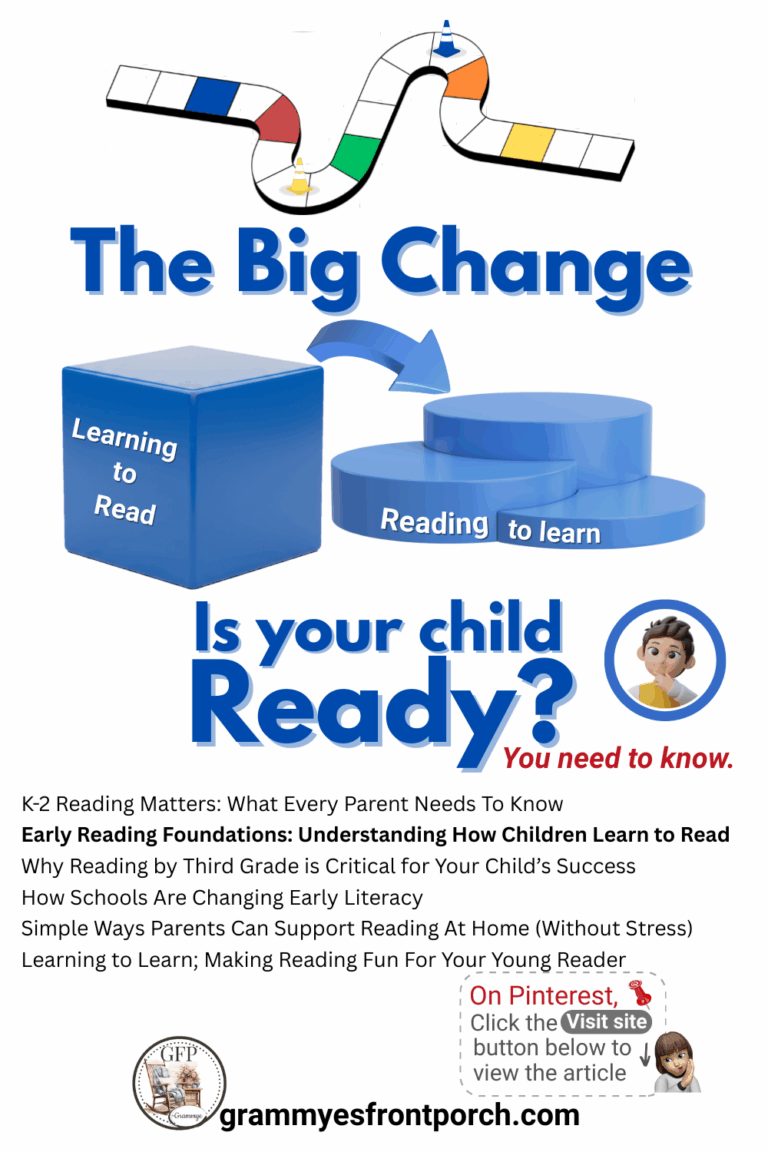
And we will cover exactly why there’s a critical turning point that matters. 

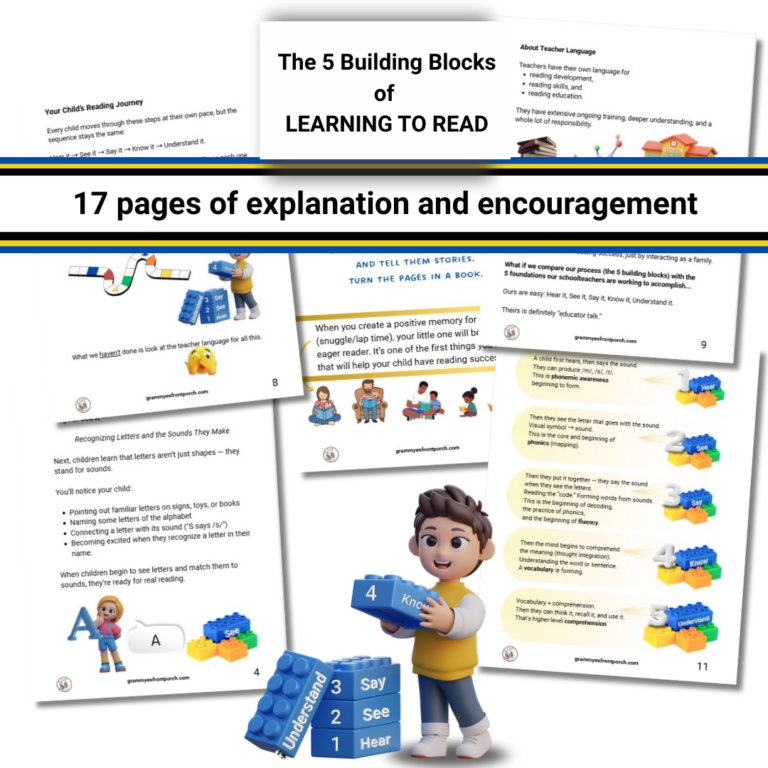
Today’s post, explaining the Science of Reading, is sort of the “center” of it all. In fact, there’s a printable explanation that goes a little deeper, with resources and background — if you’re interested.

I’ll see you in the next post with more information.

You Have The Power!

Understanding early reading foundations empowers you to support your child in the ways that matter most. These skills take time and repetition, but with consistent practice — and a solid partnership between home and school — your child will gain the tools they need to become a confident, joyful reader.

Pinterest Read KNOWING

Here are the posts in this series. If the title is bold, it’s been published and you can access it with just a click. 😊

  • Early Reading Foundations: Understanding How Children Learn to Read (The post you’re reading right now!)
  • How Schools Are Changing Early Literacy
  • Simple Ways Parents Can Support Reading At Home (Without Stress)
  • Learning to Learn; Making Reading Fun For Your Young Reader

By the way, 😎

Some of the products mentioned as links on this page are affiliate links. That means a merchant may give me a tiny reward if you buy something I recommended to you. Tiny rewards like that, plus the sale of my own products, help to reduce the ongoing cost of the blog. (Or, as my husband calls it, my expensive hobby. 😉)

Find out more about that here.

Why the passion? Because reading is necessary for everything.

And if we don’t support the learning when it’s being offered (grades K-2), the window closes fast. When your child’s teacher reviews reading progress with you, it’s super important.

Reading together at home is a proven difference-maker. Reading together daily is taking a giant step for your child. And that’s a way you love them.

Reading and phonics workbooks are amazing. Discover it all together, the building blocks to the joy of reading. 

Take a look at my fun workbook, Open Your Mouth,  if you’re ready to get started. The cute little guy in some of the pictures on this page is your child’s host for a pretty wacky journey. 

Thank you for visiting! At GFP company is always welcome!

🤗 If you liked this topic, feel free to 👉 share 👈  on Facebook or Pinterest, or send a link to a friend.
GFP PORCH with black rockers View

Are you on Pinterest? That is a crazy fun place! You can find so many helpful things. Take a look at what I’ve saved for you! A lot of things that never make it to the blog. Here are my Pinterest pins, and I have lots of categories/boards if you’re looking for something specific.


-Grammye

New here?

I’m Grammye, and I’m collecting and sharing ideas that can help you embrace the life you have. 

When things are difficult, come here to refresh and relax. We’ll have coffee and talk.

Circle logo GFP Color Transparent

You’re invited 

to the neighborhood of GFP.  

Accept by signing up

and I’ll send you a letter right away.

Subscribing to GFP is just like getting a magazine. Except it’s free! You won’t be asked for any payment information. 

So say yes, then check your junk/spam mail in case the confirmation gets lost on the way!

Placeit Full Magazine GFP
GFP Screenshot this image bright

This post may contain affiliate links. That’s a good thing. It means if you purchase a product I’ve highlighted, the seller may compensate me for that promotion. I love to share products that are a good value and make life easier.  Those little commissions may add up, and can help to offset the cost of running the blog. Or maybe even create a little income.  Click here to learn more about this.

Leave a Reply

Scroll to Top