
January 6, 2026
What should my child be reading in K-2? The answer is bigger than you think. And it’s happening all around you.
It’s not just what. It’s all the other things.
READING FOUNDATIONS K-2
Hey friend — can I share something with you that most parents never hear until much later?
When our little ones are in kindergarten through second grade, we’re all mostly thinking about today: sight word lists, reading logs, that tricky blend they keep forgetting, and whether they’re ever going to remember that “c” can say two sounds. (Bless it.)
But here’s something really interesting — and honestly, kind of wonderful to know early:
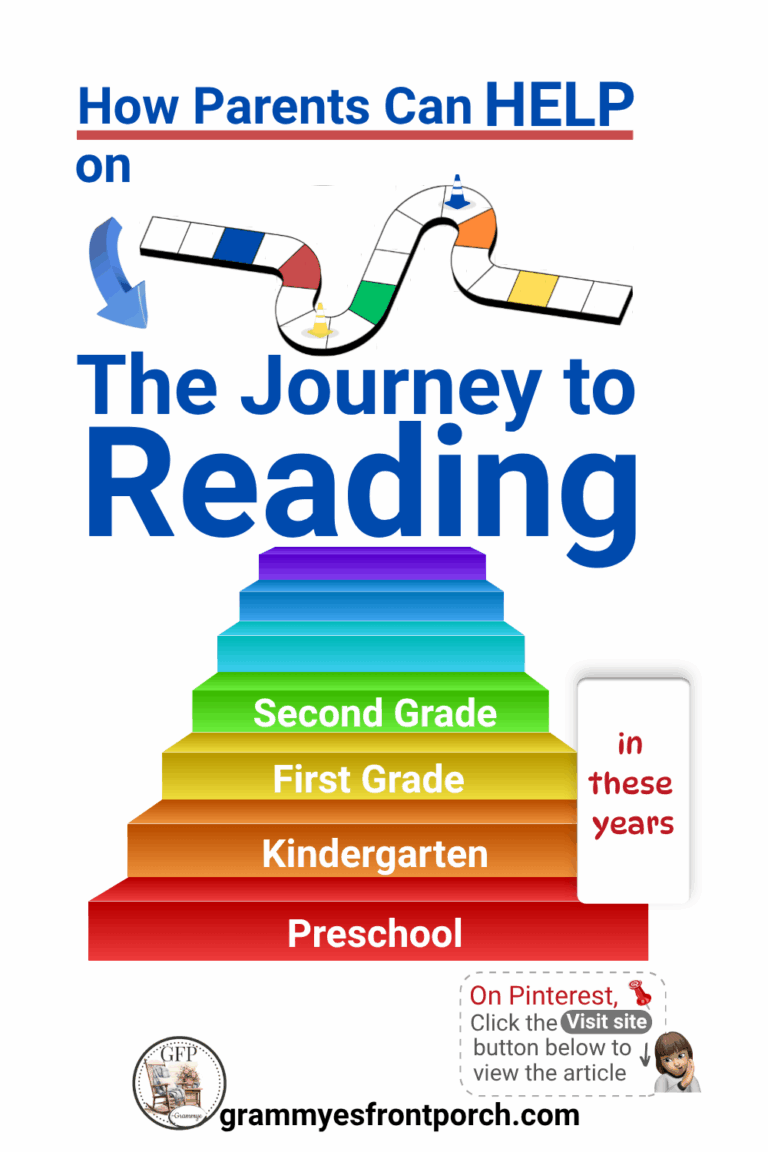
Grades K–2 aren’t just about reading assignments. They’re laying the entire foundation for how your child will learn every single subject later on.
It’s true!
These early years are the “learning to read” years. Kids are building the brain pathways they’ll need for everything that comes next — science, history, word problems, writing… all of it.
And Then What Happens?
And around the end of 2nd grade into 3rd, there’s a big shift: they move from learning to read into reading to learn.
It sounds great. Until you understand it.
Because…
Basic reading skills are necessary and should be at or above grade level.
The expectation to “keep up” becomes much greater, and much more serious for students who aren’t proficient readers.
Let’s be clear: There’s nothing wrong with this.
It’s just the way it has to be, so that higher-level learning can now take place.
Most parents don’t hear about that shift until their child is already there.
So if you’ve ever wondered why these early reading skills matter so much, or why schools focus so heavily on phonics and fluency during these years — this is why. These are the years (Grades K-2) when the foundation is poured. And knowing what’s happening behind the scenes can help you cheer your child on with confidence.
Hang on: I want to say this gently before we go any further: the purpose of this series is not to criticize teachers, schools, or families, nor is it to suggest that parents should take on the role of classroom instructor. Reading education is a complex field, and thoughtful educators do not all agree on every method or approach.
My hope is simply to help parents understand how reading skills develop over time — and why that understanding is becoming increasingly helpful as schools place closer attention on reading milestones and progress. With a clearer picture of what children are learning and when, parents can partner with their child’s school with confidence, recognize growth without panic, and support their children in small, meaningful ways at home — without pressure, fear, or guilt.
At its heart, this series is meant to bring parents, teachers, and children onto the same page, working together toward confident, capable readers.
In a later post, I’ll tell you why waiting until third grade to catch up is often too late — and what every parent deserves to know about that shift.
And just so you know: I’m not an educator. I love schoolteachers and I love seeing children learn and grow.
Sharing this series with you is simply putting some big news into language you and I can understand.
Your school isn’t keeping it from you, they’re just using “school language” to inform you. That’s not wrong, it’s just that sometimes they expect us to listen in their words — “screeners” and “tiers” and “morphology” and “orthography” and “evidence-based.”
Don’t worry. We aren’t gonna talk like that. 😉
As you read this series, you won’t be required to listen in “educator talk” but I will show you some of the terms they are using and what they mean to us and to our children.
Coming up, I’ll give you the translation you need — the five building blocks of learning to read. This is for two reasons:
- To remind you of the task that teachers have, and how they accomplish it.
- To pull back the curtain on those skills they are trying to build in your child.
After that, we’ll talk about the big turning point that’s coming in your child’s education. And then we’ll get into the big decisions that are being made that affect early reading instruction.
And in the series I’ll also tell you what got me so “fired up” about this. In a good way.
Over the next few weeks I’ll provide resources in case you want to do more learning about the support and encouragement you can provide to your child.
That’s the big idea of this series — understanding exactly what you can do (easily) to prepare your child for success. Not just now, but throughout their education and beyond.
Be Ready for More On This!
Wondering what you can do today?
Read with your child. Read a good story, or watch your child read. Smile, relax, and have fun. So valuable.
Here are the posts in this series. If the title is bold, it’s been published and you can access it with just a click. 😊
- K-2 Reading Matters: What Every Parent Needs To Know (What you’re reading right now)
- How Schools Are Changing Early Literacy
- Simple Ways Parents Can Support Reading At Home (Without Stress)
- Learning to Learn; Making Reading Fun For Your Young Reader
By the way, 😎
Some of the products mentioned as links on this page are affiliate links. That means a merchant may give me a tiny reward if you buy something I recommended to you. Tiny rewards like that, plus the sale of my own products, help to reduce the ongoing cost of the blog. (Or, as my husband calls it, my expensive hobby. 😉)
Find out more about that here.
Why the passion? Because reading is necessary for everything. And if we don’t support the learning when it’s being offered (grades K-2), the window closes fast.
When your child’s teacher reviews reading progress with you, it’s super important.
Reading together at home is a proven difference-maker. Reading together daily is taking a giant step for your child. And that’s a way you love them.
Reading and phonics workbooks are amazing. Discover it all together, the building blocks to the joy of reading.
Take a look at my fun workbook, Open Your Mouth, if you’re ready to get started. The cute little guy in the pictures on this page is your child’s host for a pretty wacky journey.
Thank you for visiting! At GFP company is always welcome!
If you liked this topic, feel free to
share
on Facebook or Pinterest, or send a link to a friend.

Are you on Pinterest? That is a crazy fun place! You can find so many helpful things. Take a look at what I’ve saved for you! A lot of things that never make it to the blog. Here are my Pinterest pins, and I have lots of categories/boards if you’re looking for something specific.
-Grammye
New here?
I’m Grammye, and I’m collecting and sharing ideas that can help you embrace the life you have.
When things are difficult, come here to refresh and relax. We’ll have coffee and talk.
You’re invited
to the neighborhood of GFP.
Accept by signing up
and I’ll send you a letter right away.
Subscribing to GFP is just like getting a magazine. Except it’s free! You won’t be asked for any payment information.
So say yes, then check your junk/spam mail in case the confirmation gets lost on the way!
This post may contain affiliate links. That’s a good thing. It means if you purchase a product I’ve highlighted, the seller may compensate me for that promotion. I love to share products that are a good value and make life easier. Those little commissions may add up, and can help to offset the cost of running the blog. Or maybe even create a little income. Click here to learn more about this.